
How Long Has It Been Since You Cleaned Your Cosmetics and Skincare Products? Beware of Bacteria and Skin Crises!
Introduction: How long has it been since you last cleaned your makeup or skincare products?
Dressing up and putting your best face forward every day is a standard routine for many. However, have you ever wondered how long it has been since you last cleaned the cosmetics, skincare products, and tools that come into intimate contact with your skin daily? This seemingly minor oversight actually harbors massive health risks. Many people only focus on the efficacy of a product while ignoring the importance of cleanliness and proper storage. This leads to bacterial growth and can even trigger severe skin issues. Today, we will dive deep into why cleaning your cosmetics and skincare products is absolutely essential, and provide a practical guide on cleaning and storage to help you steer clear of potential skin crises.
The Hidden Dangers of Cosmetics and Skincare: The Hazards of Unclean and Expired Products
1. Expired Products: Breeding Grounds for Bacteria and Ingredient Degradation
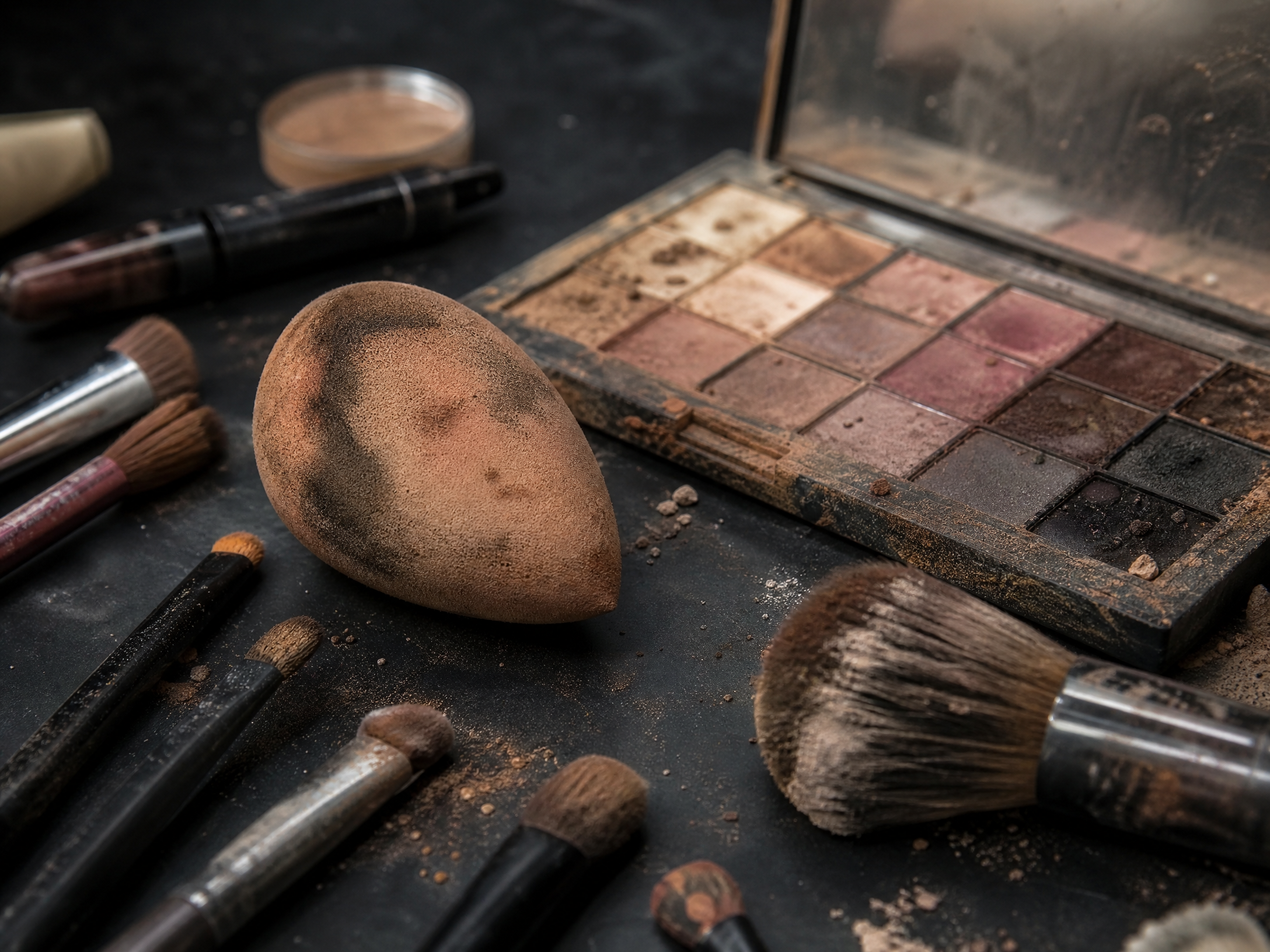
Have you ever continued using a skincare product long after opening it just because you couldn't bear to throw it away? This is a common mistake. Skincare and cosmetic products generally have two expiration dates: the unopened shelf life (usually three years) and the Period After Opening (PAO). The latter is typically indicated on the packaging with symbols like "6M" or "12M," representing the number of months the product remains safe to use after opening. Once this period is exceeded, even if the product looks normal, its preservative system may have failed, leading to a massive proliferation of microorganisms such as bacteria and fungi.
These microorganisms can cause skin infections, resulting in redness, swelling, itching, and pain. Furthermore, the active ingredients in expired skincare products degrade and lose their efficacy, failing to provide adequate nutrition and hydration to the skin. They can even produce irritants that aggravate existing skin conditions.
2. Uncleaned Makeup Tools: The Main Culprits of Cross-Infection
Tools like makeup brushes, powder puffs, and beauty sponges touch our skin and cosmetics every day. If they aren’t cleaned regularly, they accumulate a heavy buildup of sebum, dead skin cells, and cosmetic residue, transforming into breeding grounds for bacteria. This bacteria is reintroduced to your face with every single use, which can lead to clogged pores, acne, breakouts, and even more severe skin infections.
Professional makeup artists recommend that for personal use, makeup brushes should be washed at least once every one to two weeks; if they are shared, they must be cleaned after every use. Regular cleaning not only protects your skin's health but also extends the lifespan of your tools, ensuring your makeup goes on smoother and looks more flawless.
How to Properly Clean and Store: A Practical Guide
1. Step-by-Step Guide to Cleaning Makeup Brushes
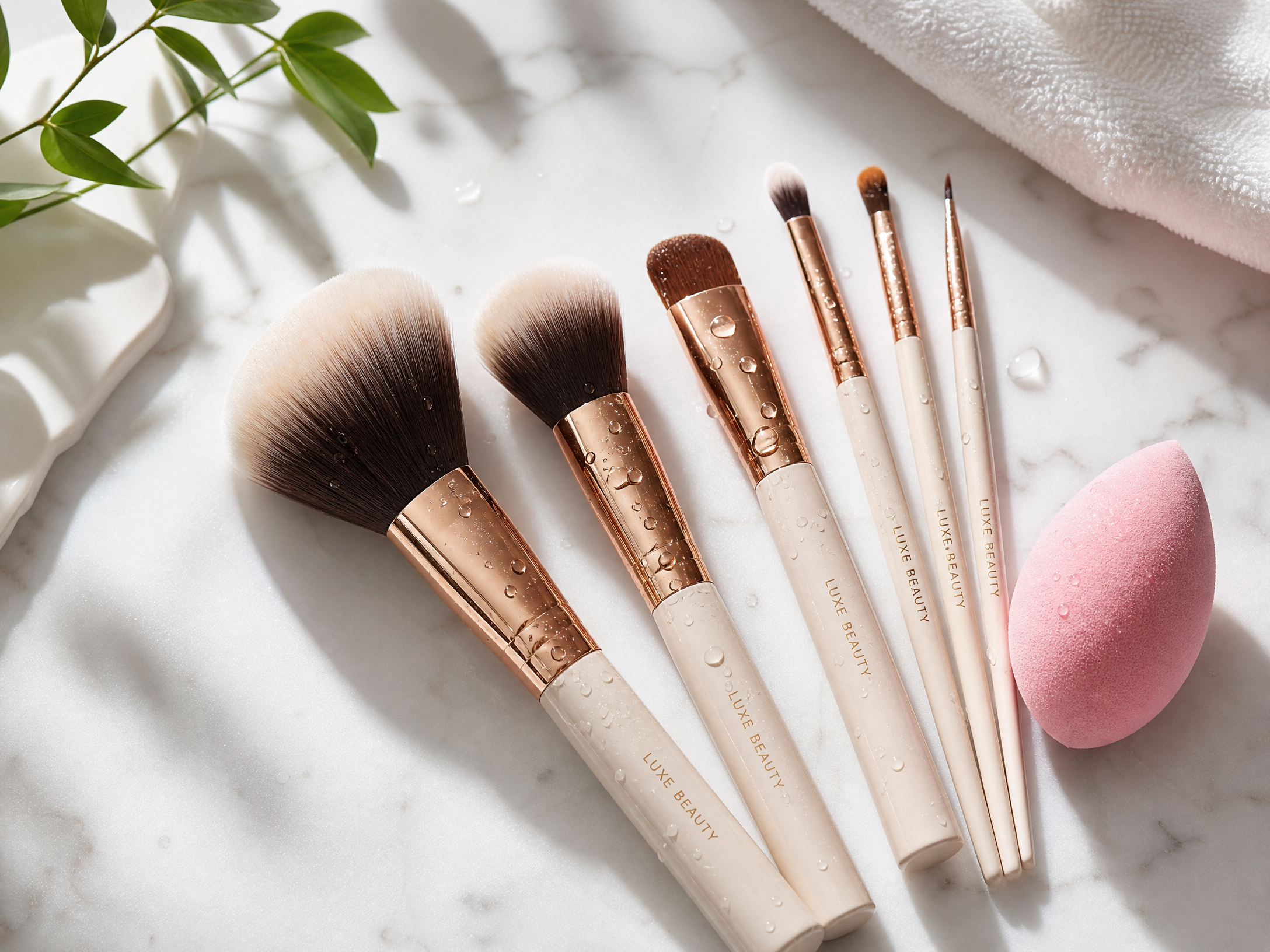
The correct cleaning method ensures your brushes are thoroughly sanitized without damaging the bristles:
-
Wet the bristles: Rinse the bristles with lukewarm water. Be careful to avoid getting water inside the brush ferrule (the metal part holding the hairs) to prevent weakening the glue and structure.
-
Apply cleanser and lather: Apply a dedicated brush cleanser or a mild shampoo to the bristles. Gently swirl the brush in the palm of your hand or on a brush cleaning pad in circular motions until the makeup residue is worked out.
-
Rinse thoroughly: Rinse the bristles under running water until the water runs completely clear and free of foam or residue.
-
Squeeze and air-dry: Gently press the bristles with a clean towel to absorb excess moisture. Then, lay the brushes flat or hang them bristles-down in a well-ventilated area to air-dry naturally. Never use a hairdryer or expose them to direct sunlight, as this can damage and deform the bristles.
2. Skincare Storage and Post-Opening Guidelines
-
Pay attention to the Period After Opening (PAO): The "6M" or "12M" labels on the packaging are crucial. Once opened, make sure to finish the product within the specified timeframe.
-
Store properly: Keep your skincare products in a cool, dry place away from direct sunlight, high temperatures, and humidity. Some products with highly active ingredients (such as Vitamin C serums) are even recommended to be refrigerated.
-
Monitor product changes: Regularly inspect your skincare products for changes in color, scent, or texture. If you notice separation, discoloration, a strange odor, or a altered texture, discard it immediately—even if it hasn't reached its official expiration date.
Conclusion: Safeguarding Your Beauty and Health
The question, "How long has it been since you last cleaned your makeup or skincare products?" should serve as a wake-up call to re-evaluate our daily beauty habits. Regularly cleaning your makeup tools, keeping track of product expiration dates, and storing them properly is not just about maintaining a flawless makeup application—it is about protecting your skin from bacterial infections and painful skin issues.
Starting today, give your cosmetics and skincare collection a thorough "spring cleaning"!